How a Podiatrist Safely Removes Ingrown Toenails
- posted: Jun. 13, 2025
Ingrown toenails occur when the edge of a nail grows into the surrounding skin, causing pain, redness, swelling, and sometimes infection. While minor cases might respond to home care, more significant or recurring ingrown toenails often require professional treatment. Dr. Richard J. Grayson at Avon Podiatry Associates in Avon, Connecticut, provides specialized care for this common but uncomfortable condition. Understanding the professional approach to ingrown toenail treatment helps patients know when to seek care and what to expect during the procedure, often alleviating unnecessary anxiety about this straightforward treatment.
Understanding When Professional Care Becomes Necessary
While mild ingrown toenails sometimes respond to conservative measures such as warm soaks and proper trimming techniques, certain situations warrant prompt podiatric attention. When significant pain develops, the area appears infected (indicated by increased warmth, redness extending beyond the immediate nail border, or discharge), or when the condition recurs frequently, professional evaluation becomes important. People with diabetes, peripheral vascular disease, or compromised immunity should seek professional care even for seemingly minor ingrown toenails, as these conditions increase the risk for complications.
A concerning misconception involves "bathroom surgery," which is an attempt to dig out or cut an ingrown nail at home. These well-intentioned efforts often worsen inflammation, increase infection risk, and can create more extensive nail border damage that prolongs healing time.
The Professional Removal Process
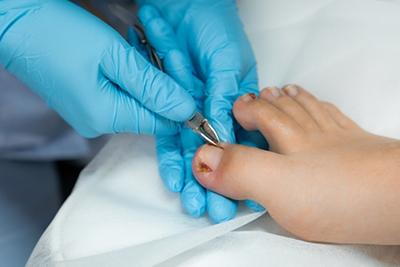
In-office ingrown toenail procedures at Dr. Grayson’s Avon, Connecticut, practice prioritize both patient comfort and thorough resolution of the problem. Treatment begins with a comprehensive cleaning of the affected area, followed by the administration of a local anesthetic to ensure the procedure remains painless. Once the area is numb, the podiatrist uses specialized instruments designed specifically for nail procedures to carefully separate the ingrown portion from the surrounding skin.
Depending on the severity and recurrence pattern, the podiatrist may perform a partial nail avulsion, removing only the ingrown edge, or remove the underlying matrix (the tissue from which the nail grows) to prevent that portion from regrowing. This matrix modification, typically performed using a chemical called phenol or through precise surgical techniques, proves particularly valuable for patients experiencing repeated ingrown nails in the same location.
Recovery and Aftercare
Following professional treatment at Avon Podiatry Associates, most patients experience immediate relief from the pressure and pain of the ingrown nail. The podiatrist typically applies a protective dressing and provides specific aftercare instructions tailored to the individual's situation. These guidelines include keeping the area clean and dry, wearing appropriate footwear that doesn't compress the toe, and sometimes applying prescribed topical medications.
Most patients resume normal activities within a day, though complete healing of the nail groove takes approximately two weeks. During recovery, the podiatrist may recommend follow-up visits to monitor healing, particularly for people with underlying health conditions or if infection was present at the time of treatment.
Stop Ingrown Toenails from Coming Back
Perhaps one of the most valuable aspects of professional ingrown toenail care is the education provided about prevention. Podiatrists like Dr. Richard J. Grayson offer guidance about proper nail trimming techniques, appropriate footwear selection, and management of contributing factors like excessive moisture or pressure. This preventive education, combined with nail removal, helps many patients break the cycle of recurrent ingrown nails and maintain long-term foot health. If you’re having trouble with ingrown toenails or any other aspect of foot health, schedule a consultation at Avon Podiatry Associates in Avon, Connecticut, at (860) 677-7733.
Avon Podiatry Associates
Avon, CT 06001